
Lately I’ve embarked on the adventure of reading more fantasy novels. For many years, horror has been my main genre for both reading and writing. But recently, a segue into publishing the novelette Coin of Honor in the Enchanted Realms: Tales of Fantasy in Light and Shadow anthology, as well as a weekly RPG game with my teenage daughter and her friends, has inspired a change.
My tastes still tend toward the darker side of the genre—I have encountered the term grimdark and embraced it—fantasy that dwells on the harsher regions of medieval dreams. Think Game of Thrones, Prince of Thorns, King of the Bastards (the last title may be considered yet another category, sword & sorcery, but that is a discussion for another article).
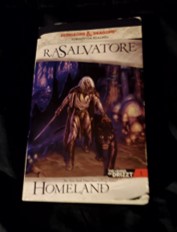
Some would say grimdark is a bit of a niche audience, as if it is to fantasy what death metal is to rock’n’roll. But like any good metal fan, I would counter with who gives a rat’s ass? In addition, stepping deeper into the dark does not necessarily alienate one from pop culture. If Game of Thrones isn’t proof enough, we have R.A. Salvatore’s Dungeons & Dragons tie-in series based on the Forgotten Realms world and the legend of a drow (dark elf) named Drizzt.
Dark elves strike me as a welcome variation on fantasy tropes concerning a race of beings who normally, such as with Tolkien’s Elrond and crew, live in lofty castles in forested mountains full of crystalline waterfalls. These elves have blond locks, flowing hair, and spa-treatment good looks like some trust-fund fabulous beauty who’d make small talk but chuckle demurely at the prospect of a hanging out with a peasant. They are fierce and can fight and cast nasty spells, but also tend to remain aloof and a bit uninvolved in the dirty problems of the rabble, sailing west to their summer homes when the disaster becomes a bore and threatens their complexions.
Much of this lore stems from northern European mythological roots, elves from Anglo Saxon and Scandinavian mythology that were magical beings with a variety of appearances and powers. Beings such as the Ljósálfar are the inspiration for most of today’s fantasy tropes about elves (rather than 20th Century sitcoms such as Alf and beings cartooned on barroom walls that resemble leprechauns). Without delving too far into the academic origins, it is the Dökkálfar, the dark elves, that inspired the subterranean race of drow that exist in the Dungeons & Dragons game and which Salvatore’s novel describes in intimate detail.
Thus, drow bring a certain mojo to the fantasy genre. They are dark-skinned and culturally gothic—a matriarchal society led by priestesses of a spider queen who whip their warrior men into submission with snake-headed cat o’ nine tails. They come across as fun and even funny amid all the gruesome violence, almost as if they are the Devil’s Rejects of fantasy characters. Though a talented warrior, our hero Drizzt is reluctant to embrace his family’s back-stabbing mafiaesque culture. In many ways, the novel is a coming-of-age story—bred to be a kind of medieval hitman, Drizzt struggles to refuse the call.
Salvatore paints a colorful chiaroscuro of an underground landscape centered on the drow capital, the glowing subterranean city of Menzoberranzan (the city of spiders). Granted, much of the world existed for decades as a part of the Dungeons & Dragons game, yet the author injects a certain visceral realism into the fantasy landscape. Dark rituals involving priestess and summoned demons, nutty wizards hell-bent on explosive spells, and a kind of Samuraiesque code of macabre honor demonstrate that even this ultimately PG-13 rated fantasy novel can pack some punch.
It may be true that readers who prefer grimdark may smirk at the hero’s at times maudlin concern over the naughty violence of his people. But the bizarre mystique of the world overall trumps this concern. Salvatore even plays with the “magical pet” trope by including an astral panther named Guenhwyvar that dishes out a fair number of ass-kickings between cuddle sessions.
In the end, Drizzt, scimitar-wielding anti-hero, survives his trial by fire, emerging in a situation that, while not ideal, certainly beats what happened to Eddard Stark (not that tragic ends are a bad thing, just different in this case). Yet I found this novel a high-quality spin on the grim side of fantasy, something separate from the overly-safe tales that have tended to tie in with RPG games aimed at younger audiences. So give this classic a read—or face a lashing from the snake-headed whip!
Carl R. Moore is the author of Slash of Crimson and Other Tales, Mommy and the Satanists, and Chains in the Sky, published by Seventh Star Press. His novelette Coin of Honor will appear in the Enchanted Realms: Tales of Fantasy in Light and Shadow anthology to be released by Jumpmaster Press and Seventh Star Press in summer, 2023
 Deep Dark Night